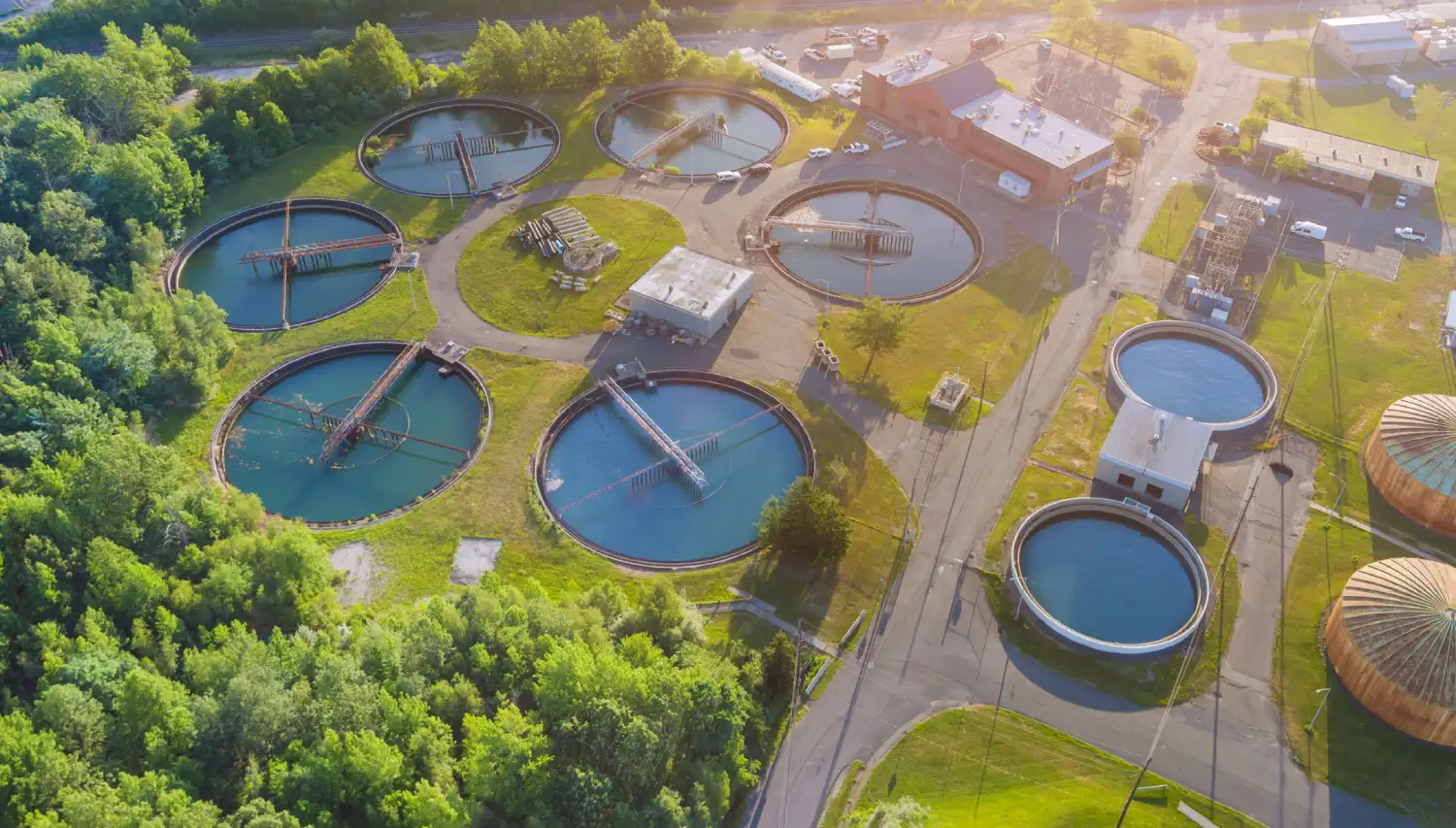
Industrial Waste & Water Management
Sustainable waste and water management are critical for environmental stewardship and regulatory compliance. We help industries reduce, recycle, and reuse while meeting local and international standards.
Our team designs practical, cost-effective systems that minimize environmental impact and improve water and waste efficiency.
Our Core Offerings
Objective: Identify and reduce waste streams. Steps include auditing waste sources, assessing material flows, and designing reduction strategies.
Core Offering:
- Comprehensive waste audits
- Material flow analysis
- Waste segregation strategies
- Waste minimization strategies
- Resource optimization in manufacturing
- Actionable waste reduction plans
- Circular economy integration
Benefits:
- Reduced waste disposal costs
- Improved resource utilization
- Enhanced corporate sustainability profile
- Compliance with waste management laws
- Increased recycling and material reuse
Support:
- Continuous waste tracking and reporting
- Regular updates on waste reduction technologies
- Advisory on circular economy practices
Objective: Optimize water usage and manage wastewater treatment. Steps include assessing water usage, identifying savings opportunities, and designing water treatment systems.
Core Offering
- Water consumption audits
- Wastewater treatment system design
- Water efficiency improvement programs
- Water reuse and recycling strategies
- Water risk assessments and mitigation
- Compliance with water regulations (e.g., CPCB standards)
- Rainwater harvesting system design
Benefits:
- Reduced water consumption costs
- Improved water treatment efficiency
- Compliance with regulatory standards
- Enhanced sustainability reputation
- Sustainable water sourcing
Support:
- Ongoing water usage monitoring
- Design and installation of water treatment systems
- Regular updates on water conservation technologies
Objective: Help companies move towards zero waste operations. Steps include waste tracking, reduction planning, and waste-to-resource strategies.
Core Offering
- Zero waste strategy development
- Waste-to-resource integration
- Organics and recycling program design
- Extended producer responsibility (EPR) planning
- Waste diversion audits
- Landfill diversion strategies
- Circular economy project support
Benefits:
- Significant reduction in landfill waste
- Lower disposal costs
- Enhanced corporate social responsibility
- Improved public image and customer loyalty
- Compliance with EPR regulations
Support:
- Continuous waste tracking
- Support for circular economy projects
- Advisory on best waste practices
Objective: Enable water reuse and recycling in industrial processes. Steps include identifying suitable reuse opportunities, designing systems, and monitoring outcomes.
Core Offering
- Industrial water reuse system design
- Wastewater treatment and recycling solutions
- Water filtration and purification systems
- Design of closed-loop water systems
- Cost-benefit analysis for water reuse
- Technology selection for industrial water treatment
- Water recovery efficiency optimization
Benefits:
- Reduced water procurement costs
- Increased operational efficiency
- Reduced environmental impact
- Compliance with water conservation laws
- Enhanced corporate sustainability profile
Support:
- Regular system monitoring and performance analysis
- Water treatment technology updates
- Advisory on regulatory compliance
Objective: Ensure safe disposal and management of hazardous industrial waste. Steps include risk assessment, disposal methods, and compliance with regulations.
Core Offering
- Hazardous Waste Identification and Classification: This step involves classifying industrial waste into categories (e.g., chemical, biological, electronic) to determine proper handling methods.
- Waste Segregation and Containment Strategies: Ensures that hazardous materials are properly separated from non-hazardous waste to prevent contamination.
- Regulatory Compliance: Compliance with national and international regulations like the Central Pollution Control Board (CPCB) in India and the Environmental Protection Agency (EPA) standards.
- Safe Disposal and Treatment Methods: Finding the most appropriate methods to treat or dispose of hazardous materials, such as incineration, chemical neutralization, or secure landfilling.
- Emergency Response Planning: Includes developing contingency plans to address hazardous waste accidents, spills, or leaks.
- Waste Tracking and Reporting: Implementing a waste tracking system for complete visibility over hazardous waste from production to disposal.
- Recycling and Recovery: Identifying opportunities to recover and recycle hazardous waste materials where possible to reduce environmental impact.
- Training for Staff: Conducting regular training sessions for employees handling hazardous materials to ensure safety and compliance.